
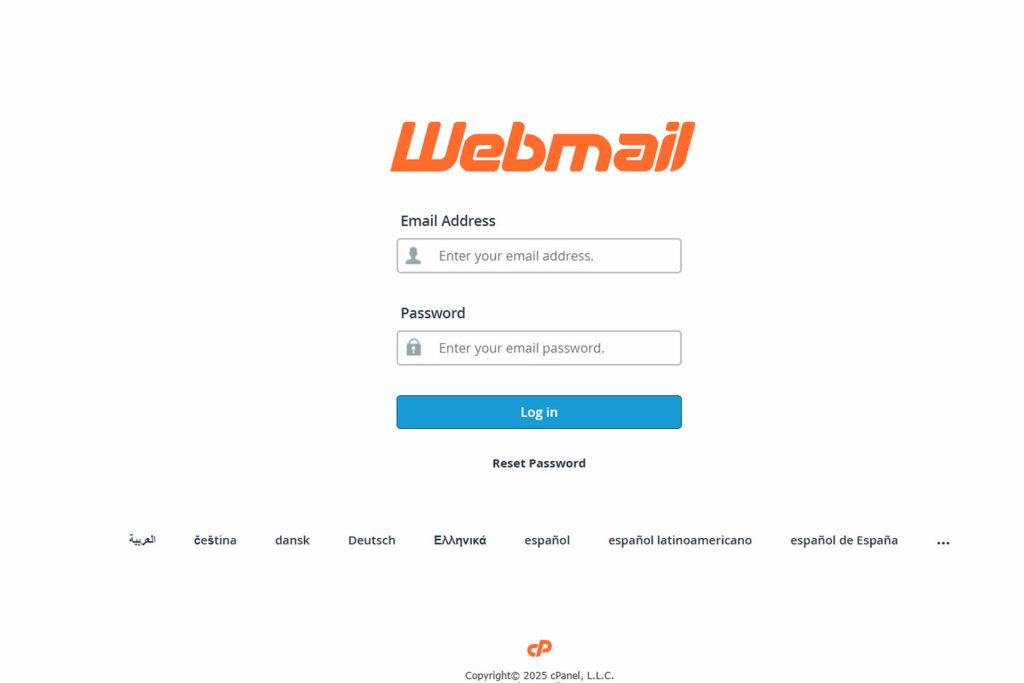
What is Webmail and What Are Its Drawbacks?
In today’s digital world, email is a cornerstone of both personal and business communication. While many people are familiar with email clients like Microsoft Outlook or Apple Mail, webmail has become a popular and convenient solution. As a user myself, I’ve relied on webmail for years, and it’s clear why it’s become so widely used, easy access, seamless synchronization, and cloud-based storage. But, like anything, webmail comes with its own set of limitations.
In this blog post, I will explain what webmail is, highlight its core features, and explore the drawbacks that might influence your decision to rely on it. By the end of this post, you’ll have a clear understanding of webmail’s benefits and limitations, helping you make an informed choice on whether it’s the right fit for your needs.
What is Webmail?
Webmail is a type of email service that allows you to access your email account through a web browser instead of using an email client installed on your device. This means that you can check, send, and manage your emails from anywhere, as long as you have an internet connection. Some popular examples of webmail services include Gmail, Yahoo Mail, and Outlook.com.
Unlike traditional email software, webmail relies on cloud-based storage, so all your emails, contacts, and data are stored online. This allows for easy access from any device—whether you're on your computer, phone, or tablet.
Key Features of Webmail
Webmail offers several features that make it an attractive option for both personal and professional use:
- Accessibility Anytime, Anywhere: As long as you have an internet connection, you can access your emails from any device with a browser. This makes webmail ideal for people who are always on the move.
- Cloud-Based Storage: Your emails and attachments are stored online, meaning you don’t have to worry about running out of space on your device.
- Integration with Other Services: Webmail platforms like Gmail and Outlook offer seamless integration with calendars, task management tools, and cloud storage, streamlining your workflow.
Drawbacks of Webmail
While webmail offers convenience, there are a few key limitations that you should consider:
1. Limited Features Compared to Desktop Clients
Webmail services often lack the advanced features of traditional email clients, such as sophisticated offline capabilities or extensive email management tools, making them less suitable for power users.
2. Dependence on Internet Access
Webmail requires an internet connection to function. Unlike desktop email clients, which can work offline, you won't have access to your emails if you're without an internet connection.
3. Privacy and Security Risks
Storing your emails on third-party servers increases the risk of data breaches. While most services use encryption, you must trust the provider to protect your sensitive information.
4. Storage Limits
Webmail accounts typically offer limited storage space, which can fill up quickly, especially if you're sending and receiving large attachments or managing numerous emails.
5. Disruptive Ads and Privacy Concerns
Many free webmail services display ads in your inbox, which can be distracting. Additionally, your emails may be scanned for targeted advertising, raising potential privacy concerns.
In conclusion, webmail offers a convenient and accessible way to manage your emails without the need for additional software or installations. It provides cloud-based storage, easy access, and integration with other services, making it a powerful tool for many users. However, there are drawbacks to consider, including its limited functionality, reliance on internet access, potential security risks, and storage limitations.
As someone who has used webmail extensively, I find it to be a reliable option for everyday communication. However, if you have advanced email management needs or concerns, you may want to consider alternative solutions such as ZOHO Workspace or Google Workspace.
- By admin
- No Comments